I recently had the pleasure of writing the VegEscape column in the May/June issue of VegNews Magazine, which highlighted several vegan eateries and activities in the Seattle area.
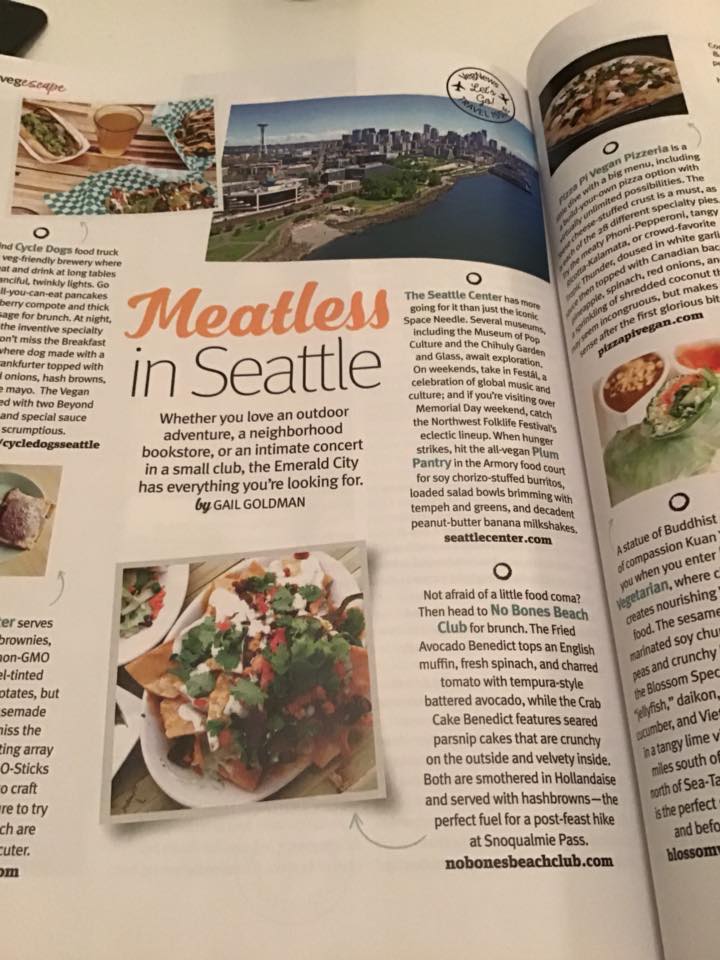
With only two pages and a very tight word count, the establishments featured in the article were by no means an exhaustive list, and I’ve been wanting to create a longer list of options ever since the piece came out. In case you want to delve deeper into Seattle’s veg offerings, I present a few more spots for your consideration (also not an exhaustive list!). These are in no particular order, but know that the first few were in and out of various drafts of the article and just barely didn’t make it in. All are worth exploring!
Araya’s Place – Founded in the 1980s, Araya’s has mastered the art of vegan Thai food. There are several locations to choose from, each with its own distinct personality. While the menu is delightful, Araya’s is justifiably famous for its lunch buffet. There are healthy options, like brown rice, soups, salads, and steamed veggies, as well as more decadent fare, such as noodles, fried rice, stir fried veggies, and crispy spring rolls. Whatever you’re in the mood for, it’s all delicious and all you can eat. If you have the will power to do so, save a little room for the Black Sticky Rice Pudding dessert. Served from 11:30 a.m. to 3:00 p.m. daily. http://www.arayasplace.com

I love, love, love Mighty-O Donuts! So many flavors, so much deliciousness. They make dense, cakey donuts (yay!) as well as yeasted donuts (also yay!) and there’s undoubtedly a flavor or five that will make your heart sing. They have beloved standbys (try the Donut King, a vanilla-glazed chocolate donut topped with coconut, or the perfect cinnamon sugar) or one of their seasonal flavors (the blueberry they have going right now is delish). While donuts aren’t exactly health food, you can feel good about eating treats that are organic, GMO-free, and contain no trans fats. You can find them at their four locations around town as well as in various markets and cafes. http://www.mightyo.com

If you find yourself in Redmond, be sure to stop in at Teapot Vegetarian House which, despite the name, is actually 100% vegan. In fact, Teapot is so tasty that you may want to make a special trip over just to eat there. The crispy Goldfingers appetizer is like a battered chicken strip, but it’s somehow made from compressed mushroom stalks. It’s crave-worthy and I order it every time I go. I also cannot recommend the soups highly enough. Whether it’s the perfect hot and sour, the delightful sizzling rice, the savory won ton, or the spicy Laksa, you can’t go wrong if you’re availing yourself of one of their soups. As if the food wasn’t reason enough to go, the proprietors are lovely people, and their kind, gentle spirits make the experience even better. Let them recommend a pot of tea to go with your meal and you won’t be sorry. teapotvegetarianhouse.com

El Chupacabra is a festive restaurant serving up hearty Mexican food and cocktails in a colorful setting (think Day of the Dead-inspired decor and a loud jukebox). While not a vegan establishment, they are able to veganize just about everything on the menu, substituting in vegan chicken, steak, cheese, and sour cream. My favorite is the veggie burrito served wet style with a side of sour cream, but I will concede that the chimichanga with “mock green chicken” is fairly mind-blowing, with its crispy-flakey wrap full of creamy deliciousness. Pop a few quarters into the jukebox, sit back, and get ready to have a very full belly. http://www.elchupacabraseattle.com

Sizzle Pie in Capitol Hill always offers three vegan pizzas by the slice in their case, along with a host of vegan menu items. There are two crisp, tasty vegan salads: the Rabbits with ranch dressing and “bacon” bits and the Caligula, a vegan Caesar. The salads can either be ordered alone or as part of a slice-and-salad combo. As for the pizza, options abound, but my fave is the Buffalo 666, which comes with Buffalo jackfruit shreds, cheese, and two kinds of sauces (a spicy wing sauce and a cooling ranch). Warning: the place can be a bit loud and tends to feature somewhat aggressive metal on the playlist. If that doesn’t sound fun, the tables outside can be a little quieter. http://www.sizzlepie.com

If you’re looking for healthier options, head to Chaco Canyon for some tasty, old-school hippie food (I mean this as a compliment). My favorite option is building my own bowl with brown rice, baked tofu, greens, and tahini, but the crowd favorite is undoubtedly the artichoke melt, with its creamy artichoke pate sandwiched between Macrina sourdough bread and just the right amount of crunch from cucumber slices and sprouts. Round out your meal with a fresh juice or an elixir and you’ll be well-fueled for whatever your day holds. http://www.chacocanyoncafe.com

Because there’s no such thing as too much pizza (right?), next up we’ve got Razzis Pizzeria, a place that caters to folks who may have trouble finding food at typical restaurants. That includes vegans, of course, but they also have an extensive gluten-free menu, if that’s a concern for you. Just ask for the vegan menu and settle in for a nice, long read – it’s extensive! There’s cheesy garlic bread and mozzarella sticks to start, tons of salads and baked pastas, and my favorite: the Stay-Cay pizza with Canadian bacon and pineapple. If you oppose the use of pineapple on pizza, fear not! There are countless options that will make you happy. http://www.razzispizza.com

Seattle institution Cafe Flora has been feeding hungry vegans and vegetarians since 1991 and they are still going strong. The place itself is spacious and inviting, with different rooms to choose from. You can feel like you’re eating outside year-round in the plant-filled atrium, dine in the main room surrounded by colorful art, or eat outside on the patio during summer. There’s some seriously tasty food happening here and you’ll be happy no matter when you come, but I think Cafe Flora’s strongest suit is their brunch. First, they have vegan cinnamon rolls! Let me repeat: vegan cinnamon rolls!! And then there’s the hearty Southern Platter with biscuits and gravy, scrambled tofu, and smoky collards. SO good. And if you find yourself with some time to spend at Sea-Tac, check out Cafe Flora’s new sibling, Floret, which they describe as located in the “main terminal at the intersection of Concourses A and B next to the Delta Lounge.” cafeflora.com

Bamboo Garden Vegetarian Cuisine ran into some trouble a bit ago when it was discovered that they were using non-vegan mock meats (containing milk products in them) in dishes that customers thought were vegan. People were understandably upset. This prompted them to rework their menus and ordering systems. They now have a separate vegan menu, so ask for that if you go; and when you order, be sure to specify that you want whatever it is you ordered to be vegan. That should do the trick. Given their location near the Seattle Center and SIFF, I sometimes pop in to this unassuming spot for food before or after events if I’m feeling burned out on the Armory. If you’re quite hungry, I recommend asking to see the lunch specials menu (which I’ve ordered at dinner, too) and seeing what catches your eye. For me, it’s generally the combo with sweet and sour chicken, fried rice or chow mein, green veggies, and a cup of corn chowder. http://www.bamboo-garden.co

Feeling a little bloated from all of that pizza and greasy Chinese food? Head to Jujubeet Cafe for some light, clean, delicious fare. They are known for their fresh juices, and you’re sure to find one that appeals to you from their abundant options. If not, they’ll custom blend whatever you want. Need something a little heartier? Try a smoothie. My personal favorite is the Cacao Wow, a creamy blend of almond milk, almond butter, raw cacao, banana, and vanilla protein powder. If you’d rather chew something, they’ve got you covered there as well, with sandwiches, wraps, bowls, and a scrumptious cheese plate. Hot tip: if you’re fighting off a cold, their tiny bottled elixirs are fabulously intense blasts of immune-supporting magic. Note that everything here is vegan except that they use honey in some things. Keep an eye out for that. jujubeet.com
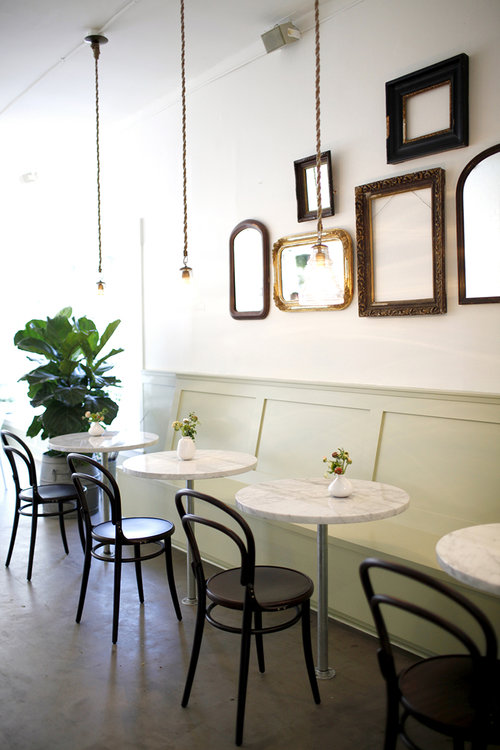
Plum Bistro in Capitol Hill is part of vegan chef Makini Howell’s flavorful vegan empire, which includes the Plum Bistro cookbook, Plum Pantry at the Armory, Sugar Plum (soft serve ice cream!) in a different part of Capitol Hill, Plum Burgers (a food truck), and Plum Chopped (a salad bar take-out spot next to the bistro). Plum Bistro was the original jewel, opened in 2009, and it’s still a popular spot. The menu changes with the seasons, but you can always look forward to their world-famous “Mac n Yease,” a spicy cajun take on mac and cheese (note that it’s extremely rich and probably a good idea to share with your table mates). Everything here packs a flavor punch, including the inventive desserts. (no website that I could find)
Next Level Burger is a casual joint nestled within the Whole Foods Market in Roosevelt. They will build you a burger to fit your preferences, with choices of patty (they have house-made mushroom/quinoa and black bean/veggie patties, as well as Beyond Meat), toppings (you name it, it’s probably here, including a combo with tempeh bacon, blue cheese, and bbq sauce!), and buns (regular and gluten-free). Their “Animal” burger was recently featured in VegNews Magazine as one of the best burgers in the country. I haven’t tackled it yet, but if you’re up for it, we’re talking two sausage style patties, tempeh bacon, crinkle cut fries (yes, on the burger, not on the side), sauteed onion, Swiss or cheddar cheese, and your choice of special or bbq sauce. Whew, I’m kind of full just writing that! Where I think Next Level really shines, though, is with their shakes, which are as varied as their burger options. Ranging from simple vanilla to concoctions loaded with chunks and drizzles, you’re sure to find something to satisfy your sweet tooth. http://www.nextlevelburger.com

Kati Thai is relatively new to the Seattle vegan scene. I’ve only visited once, but I thought it was pretty tasty. I will definitely go back further exploration. The delicate, crispy appetizers were the highlight for me. kativeganthai.com

Looking for something to eat over in Kirkland? You have two excellent options. First, there’s HB Bev Co (aka Healthy Bonez), a take-out spot for the best Acai bowl in the Pacific Northwest. Order it without honey (they will sub Bee Free Honee if you would like) and feel free to add a drizzle of peanut butter if it sounds as good to you as it always does to me. They also have juices and other bowls, but once I had a taste of that Acai bowl, I never ordered anything else (and I’m not typically a person who gets in such a rut). Pro tip: get the app and order ahead – the lines get long! hbbev.co

My other favorite Kirkland option is Cafe Happy, a tiny restaurant downtown. Although they have a table inside, I recommend taking your food to go and heading to the waterfront a block away for a picnic. Don’t miss their steamed soy meat buns (I think I could live on these buns alone!), which pair nicely with a bubble tea. A couple of menu items are not vegan, but the staff can help you find the right thing, so just ask if you’re confused. https://m.facebook.com/Cafe-Happy-119008831443318/

If life takes you to Everett, you’ve got two great options there as well. I’m a big fan of Cafe Wylde, which offers flavorful, healthy food in a clean, bright space. Personal faves include the smokey avocado dip, the jackfruit tacos, and the raw desserts.

We recently discovered Curries in Everett, and we were blown away. It’s the best Indian food we’ve had in the PNW. Seriously. The place is immaculate, the staff helpful, and the vegan items clearly marked on the menu. We tried all of the vegan appetizers, and they were all delicious, but the Veggie Pakoras stood out – perfectly crispy on the outside, velvety on the inside. Angels sang. We also had the Aloo Gobhi and Dal Tarka, and each dish was perfectly cooked with distinctive spices and personalities. Can’t wait to go back. http://curriesineverett.com/

I probably don’t need to point this out, but we’re lucky to have three Veggie Grill locations in the area, with one an easy walk from the Convention Center if you need sustenance while at an event there. The seasonal menus are always worth checking out, the menu staples have stood the test of time (Santa Fe Crispy Chicken, anyone?), and now they’re featuring the new Just Egg in a breakfast burrito! Heading there to try it soon. http://www.veggiegrill.com

We are also fortunate to have a wonderful co-op chain, PCC Community Market, with locations scattered around the area. In addition to all of the grocery items and personal care products you could possibly need, PCC has wonderful delis and salad bars which make for excellent take-out options. http://www.pccmarkets.com

On the higher end of the price spectrum is Harvest Beat, a restaurant that some people absolutely love (as evidenced by the fact that one reader of my article vociferously complained about its omission) while others, not so much. I wanted to love it (a multi-course, special occasion prix fixe vegan spot sounds great), but after dining there during the research for my piece, I’m in that latter camp, unfortunately. I adore the mission of Harvest Beat and how consciously they strive to create a special experience for everyone in their orbit. They clearly care about what they’re doing and how they source their ingredients. Unfortunately, I had a very uneven dining experience. The first course was exquisite, the next course was okay, and the main course (an unsuccessfully breaded slimy mushroom cutlet) was inedible. Dessert ended back in the positive column. By the time you add in beverages, this meal tops out at over $100 per person. At that price point, I expect better than what I experienced, which is why I didn’t include it in the article. However, as I noted, it has many ardent proponents and glowing reviews, so check it out for yourself if you feel so inclined. Perhaps I visited on an off night? At the very least, you’ll be supporting some nice people. http://www.harvestbeat.com/

Finally, I’m including an establishment that I’ve been wanting to visit but haven’t made it into yet, Georgetown Liquor Company. This place is 21 and over, and since I’m often traveling with a minor in tow, it just hasn’t happened yet. An eclectic, hearty menu awaits. Will I order mini corn dogs? Or nachos? A ham sandwich with chipotle aioli? A grilled cheese with Brie, Mozzarella and Gouda? Only time will tell! georgetownliquorco.com

If you live in the Seattle area or are coming to visit, I hope you find this list helpful and full of tasty treasures. If you have any favorites that I didn’t include, please comment below and spread the word! There are new vegan and veg-friendly restaurants opening all of the time (I just heard about Celest Cafe and can’t wait to try it!), and the more people who frequent those places, the more this trend will continue.
Enjoy! xo





















 kitwocky